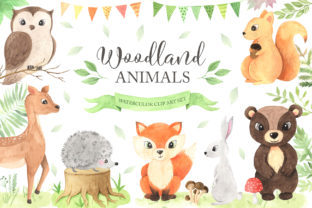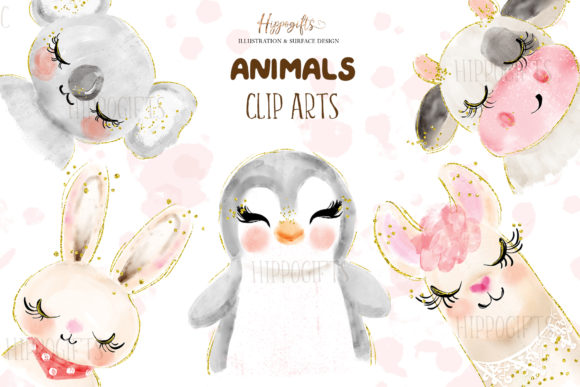
Watercolor Animals Illustration
As a designer who regularly works on branding, packaging, and marketing visuals for small businesses and handmade brands, I often look for creative design elements that can elevate a project without overpowering it. The Watercolor Animals Illustration is one such asset that offers a soft, whimsical aesthetic perfect for a variety of applications. Its delicate brushstrokes and gentle color palette make it ideal for projects that require a warm, approachable feel.
First Impressions: A Soft, Playful Mood
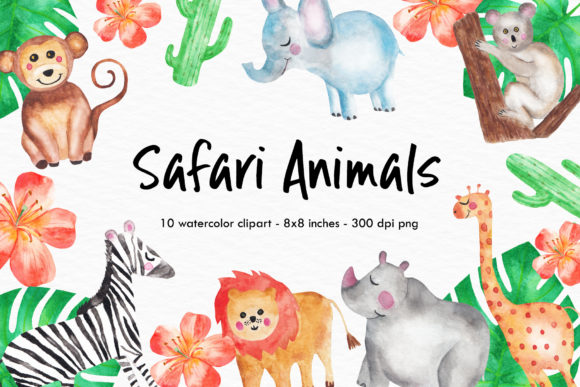
The Watercolor Animals Illustration immediately conveys a sense of charm and nostalgia. Each illustration feels handcrafted, with subtle variations in line weight and color that give it an organic, authentic quality. This makes it especially appealing for brands targeting a younger audience or those looking to convey a sense of care and craftsmanship. The style is reminiscent of vintage children’s books or artisanal stationery, which can be a powerful visual cue for certain client projects.
These illustrations are not overly detailed, which allows them to work well in a range of design contexts. Whether used as a standalone graphic or integrated into a larger composition, they add a touch of personality without overwhelming the overall design.
Real-World Design Applications
In my experience, the Watercolor Animals Illustration shines when used in projects that benefit from a personal, handcrafted feel. For example, when working on a seasonal campaign for a boutique product line, these illustrations helped create a cohesive visual theme that felt both professional and inviting. They were particularly effective in social media graphics, where their soft edges and muted tones provided a nice contrast to bold text and bright backgrounds.
This design asset also works well in printable designs, such as stickers, t-shirts, and tote bags. Their watercolor texture adds depth and interest, making them more engaging than flat, digital illustrations. When used in Canva templates or Cricut projects, they offer a level of customization that can be tailored to fit specific brand guidelines.
Best Use Cases: Where It Really Shines
The Watercolor Animals Illustration excels in large layout areas, where its intricate details can be fully appreciated. It’s great for hero graphics, product mockups, and decorative accents that add visual interest without competing with other elements. These illustrations also work well in themed collections, such as holiday packaging or seasonal promotions, where a consistent visual language is key.
For editorial design, blog visuals, or Pinterest pins, the Watercolor Animals Illustration provides a fresh, eye-catching element that can help differentiate content from the competition. In web design, they can be used as background elements or icons, adding a touch of creativity without sacrificing usability.
When to Use With Caution
While the Watercolor Animals Illustration is versatile, it may not be the best choice for every project. In small sizes, the fine details can become lost, making the illustration less effective. Similarly, in crowded layouts or on complex backgrounds, the soft edges may not stand out as intended.
For minimalist branding or professional corporate materials, this style might feel too playful or informal. If the goal is to create a clean, modern design, the Watercolor Animals Illustration could clash with the desired tone. It’s also important to consider visual hierarchy—these illustrations should complement, not compete with, other design elements.
Impact on Branding and Design Quality
When used appropriately, the Watercolor Animals Illustration can enhance a project’s emotional appeal and audience engagement. Their warmth and character can help build trust with clients, especially for handmade businesses or small-scale entrepreneurs looking to create a strong brand identity. However, it’s essential to ensure that the illustrations align with the overall brand voice and messaging.
Readability and brand consistency are also important factors. If the illustrations are used in marketing visuals or digital ads, they should not interfere with the clarity of the message. Testing them in different formats and environments is crucial to maintaining a polished, professional appearance.
Designer Notes: Practical Checks Before Use
Before using the Watercolor Animals Illustration for a client project, I always recommend testing it in black and white to see how it performs without color. Checking contrast on light and dark backgrounds ensures it remains visible and effective in various settings. Previewing it at small and large sizes helps determine if it scales well and retains its detail.
Placing it on real mockups, such as product packaging or website layouts, gives a better sense of how it will look in practice. Testing print quality is also important, especially if the illustrations will be used in physical products like t-shirts or mugs. Reviewing file formats and ensuring PNG transparency is correct (if applicable) helps avoid technical issues later on.
If the asset includes SVG or vector files, checking their editability is essential. Comparing the illustrations with different font styles—such as serif, sans serif, script, or display fonts—can help find the best visual balance. Finally, confirming the commercial license is a must, as using unlicensed design assets can lead to legal complications, especially when working on client projects.
Conclusion: A Versatile Creative Asset
The Watercolor Animals Illustration is a valuable addition to any designer’s toolkit, especially for those working on handmade businesses, small business branding, or print-on-demand projects. Its soft, artistic style makes it ideal for creating a warm, engaging visual language that resonates with a wide audience.
Whether used in social media graphics, packaging design, or digital ads, this illustration offers a unique way to express creativity while maintaining professionalism. As long as it’s used thoughtfully and in the right context, it can significantly enhance the visual appeal of a design project.